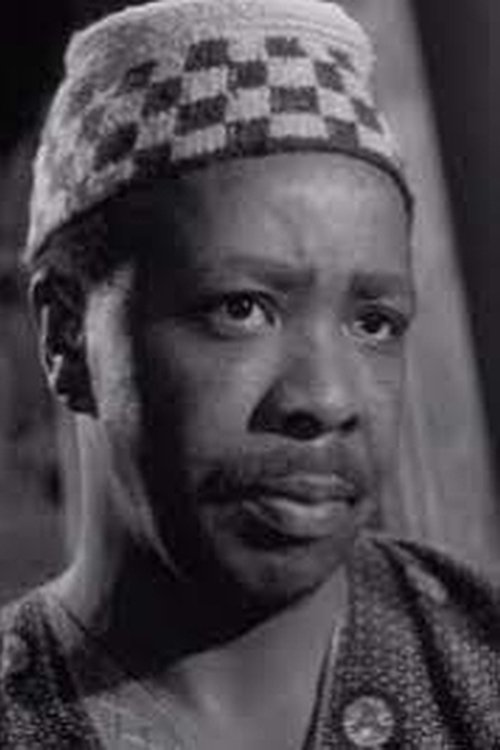
Lionel Ngakane
Personal Info
Known For
Acting
Gender
Birthday
Place of Birth
Lionel Ngakane
Biography
Lionel Ngakane (17 July 1928 – 26 November 2003) was a South African filmmaker and actor, who lived in exile in the United Kingdom from the 1950s until 1994, when he returned to South Africa after the end of apartheid. His 1965 film Jemima and Johnny, inspired by the 1958 "race riots" in Notting Hill, London, won awards at the Venice and Rimini film festivals. In the 1960s, Ngakane was a founding member of the Pan African Federation of Filmmakers (FEPACI) and Fespaco, the Panafrican Film and Television Festival of Ouagadougou (FESPACO). Ngakane was born in Pretoria, South Africa.[2] In 1936, his family and he moved to the Sophiatown neighbourhood of Johannesburg. His father (a teacher) set up a hostel with Alan Paton, author of the 1948 novel Cry, The Beloved Country. Ngakane was educated at Fort Hare University College and the University of Witwatersrand, and worked on Drum and Zonk magazines from 1948 to 1950. In 1950, he began his career in film as an assistant director and actor in the film version of Cry, the Beloved Country (1951), directed by Zoltan Korda. Shortly thereafter, Ngakane went into exile in the United Kingdom. As an actor, he appeared in films, including The Mark of the Hawk in 1957 (with Eartha Kitt), on television — Quatermass and the Pit (1958) and the spy series Danger Man (Deadline, 1962) with Patrick McGoohan, and on stage — in Errol John's Moon on a Rainbow Shawl,[5] and Wole Soyinka's play The Lion and the Jewel at the Royal Court Theatre in 1966.[6] Ngakane returned to South Africa after the end of apartheid in 1994. He is best remembered for his short film Jemima and Johnny (1965), inspired by the 1958 "race riots" in Notting Hill, London. It won awards at the Venice and Rimini film festivals. He also directed documentaries on apartheid and African development. He was honorary president of the Pan African Federation of Filmmakers (FEPACI), which organization he had originated in 1967 as a lobbying group for the support of African filmmakers.[2] He died in Rustenburg, South Africa, in 2003, aged 75.
Also Known For
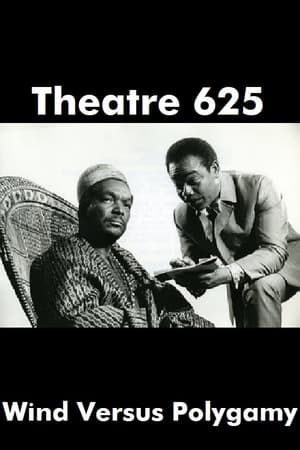
Wind Versus Polygamy
Jul 15, 1968
The Painted Smile
May 01, 1962
In Darkest Hollywood: Cinema and Apartheid
Feb 18, 1994
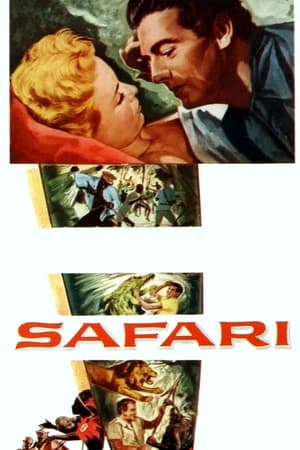
Safari
Jun 20, 1956
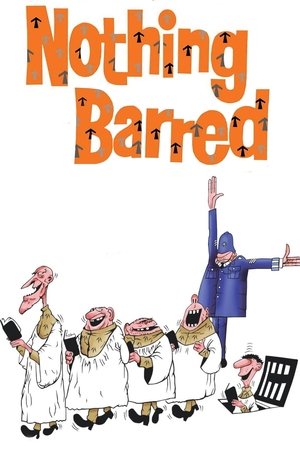
Nothing Barred
Oct 10, 1961
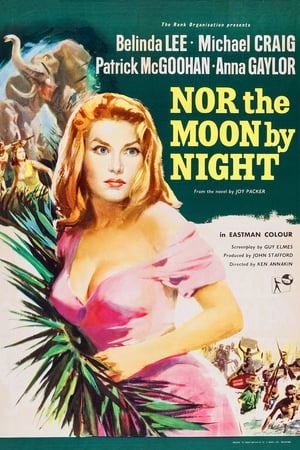
Nor the Moon by Night
Aug 07, 1958
Victims of Apartheid
Oct 24, 1978
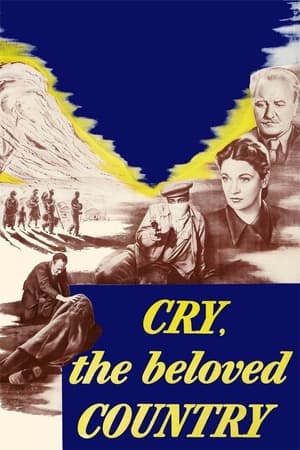
Cry, the Beloved Country
Nov 16, 1951
Duel in the Jungle
Jun 30, 1954
Child of Hope
Apr 24, 1975
The Squeeze
Mar 20, 1977
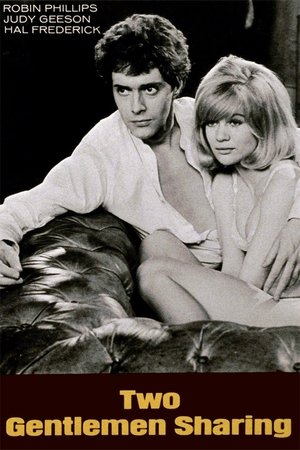
Two Gentlemen Sharing
Sep 17, 1969
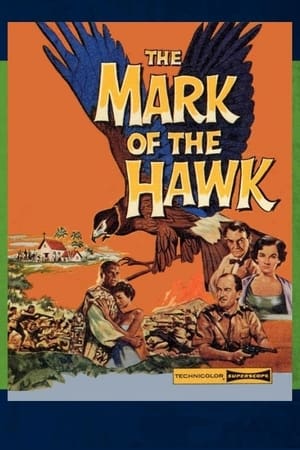
The Mark of the Hawk
Dec 01, 1957
It’s the Only Way to Go
Jan 01, 1970
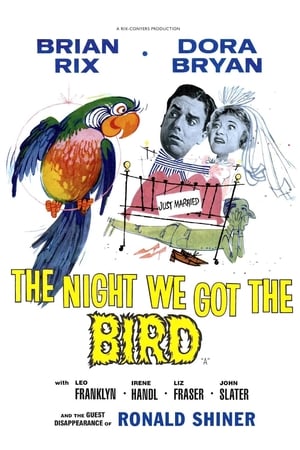
The Night We Got the Bird
Nov 03, 1960

Baobab, Portrait of a Tree
Theatre 625
May 03, 1964